
You Are Not Alone
If you or a loved one needs mental health support throughout pregnancy or adjusting to parenthood, contact our Warmline or consult our online directory today.

Postpartum Health Alliance
The San Diego Postpartum Health Alliance (PHA) is a nonprofit dedicated to recognizing, understanding, and responding effectively to the mental health needs of pregnant and postpartum individuals and their families.
About Postpartum Health Alliance
We offer direct support and referrals to help-seekers through our Warmline and online provider directory, and prepare perinatal professionals to deliver compassionate care through education and training.
Support Our Mission
Every donation to the Postpartum Health Alliance fuels programs that provide compassionate care, access to resources, and professional training for our community. When you donate to Postpartum Health Alliance, you’re helping parents and families access the mental health support they need to thrive.
Stay in the Know
Stay up-to-date on local perinatal mental health news and resources for San Diego County. Sign up for the Postpartum Health Alliance newsletter to receive thoughtful updates that keep you informed.
Perinatal Mental Health Conditions
Perinatal mental health (PMH) conditions are the most common complication of childbirth, yet many suffer unnecessarily without professional support.
Why It Matters
About 1 in 5 moms – and 1 in 10 partners – experience mental health concerns during pregnancy and postpartum.
Up to 50% of PMH conditions in birthing parents go undetected, and 75% of those affected never receive professional support.
These conditions can cause parental distress, family strain, and, in rare cases, serious health risks. Symptoms may begin during pregnancy and last up to a year—or up to 3 years if untreated.
Perinatal Mental Health Conditions: Recognizing the Signs and Symptoms
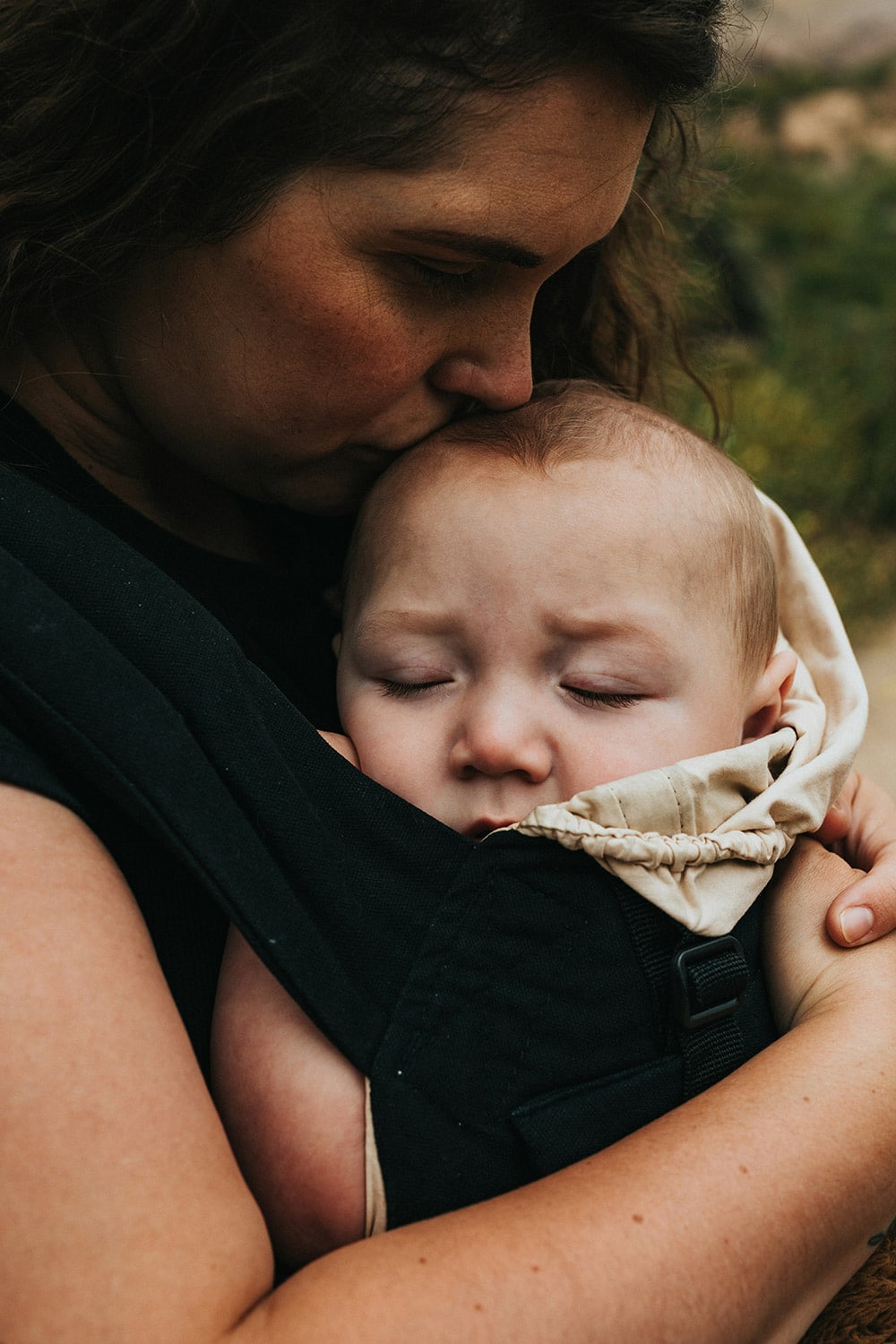
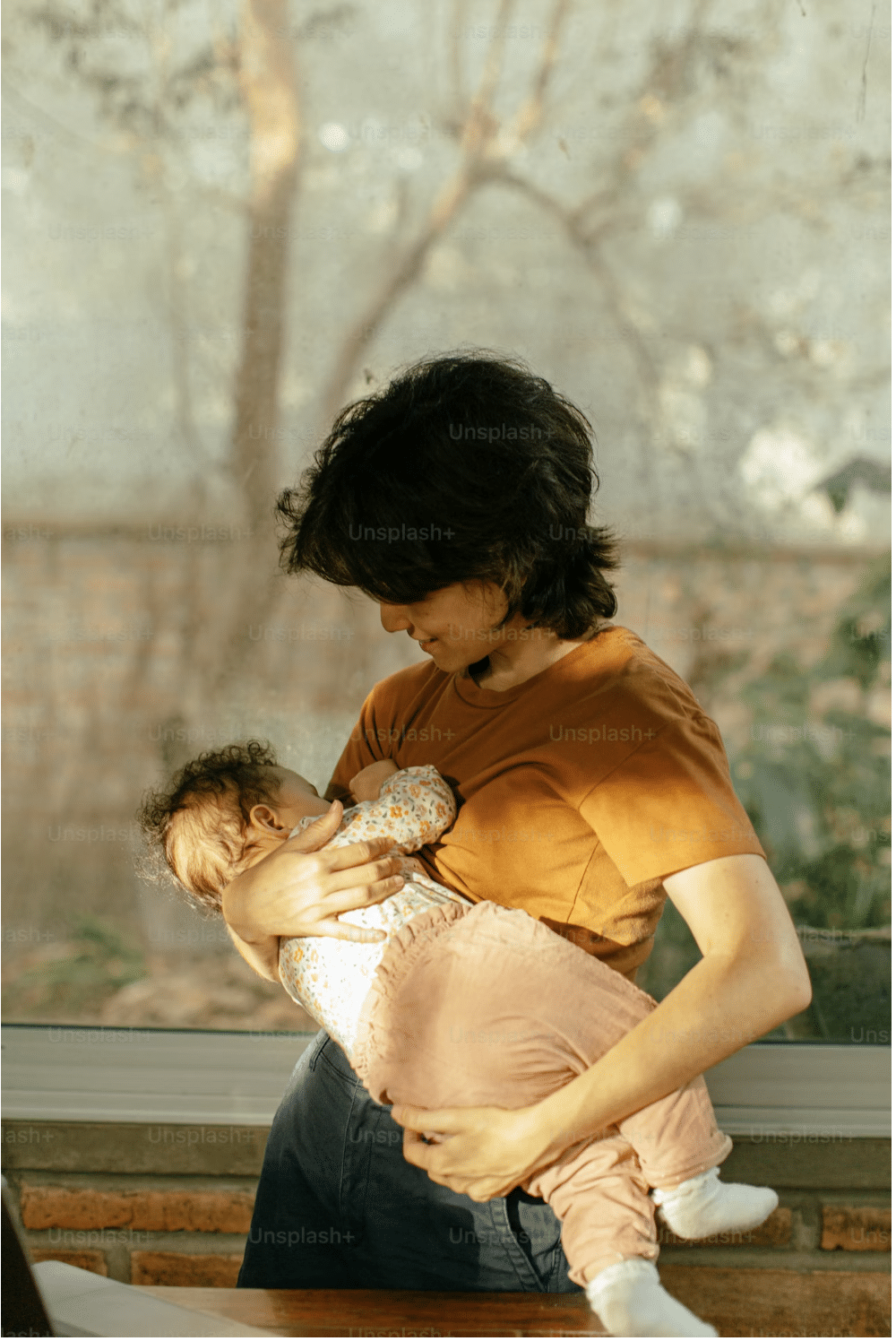
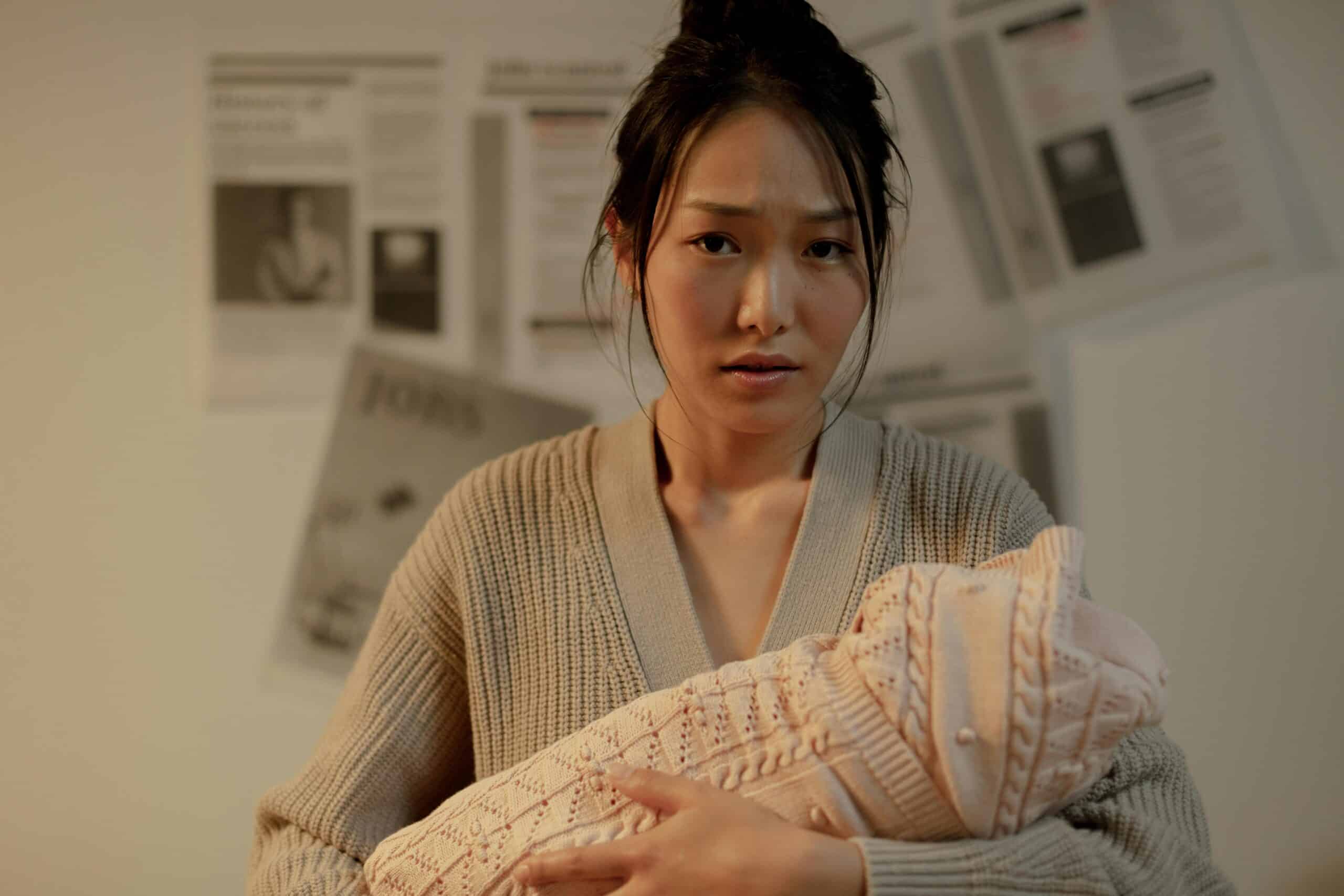
Many parents experience changes in mood, thoughts, or feelings during pregnancy and after birth. These conditions are common and treatable—you are not alone, and help is available.




Are You a Professional Who Treats PMH Conditions?
Join PHA Today!
PHA brings together professionals, students, and community advocates committed to supporting parents during pregnancy and postpartum. By becoming a member, you gain access to valuable resources, professional development, and a supportive network while helping strengthen perinatal mental health care in San Diego County.
Membership includes:

Networking
Attendance at exclusive members-only social events

Training
Access to approximately 6 hours of engaging CE trainings annually

Referrals
Participation in our active clinical listserv for sharing referrals and resources; a featured listing in our online provider directory, which our Warmline uses for referrals
Explore Our Blog
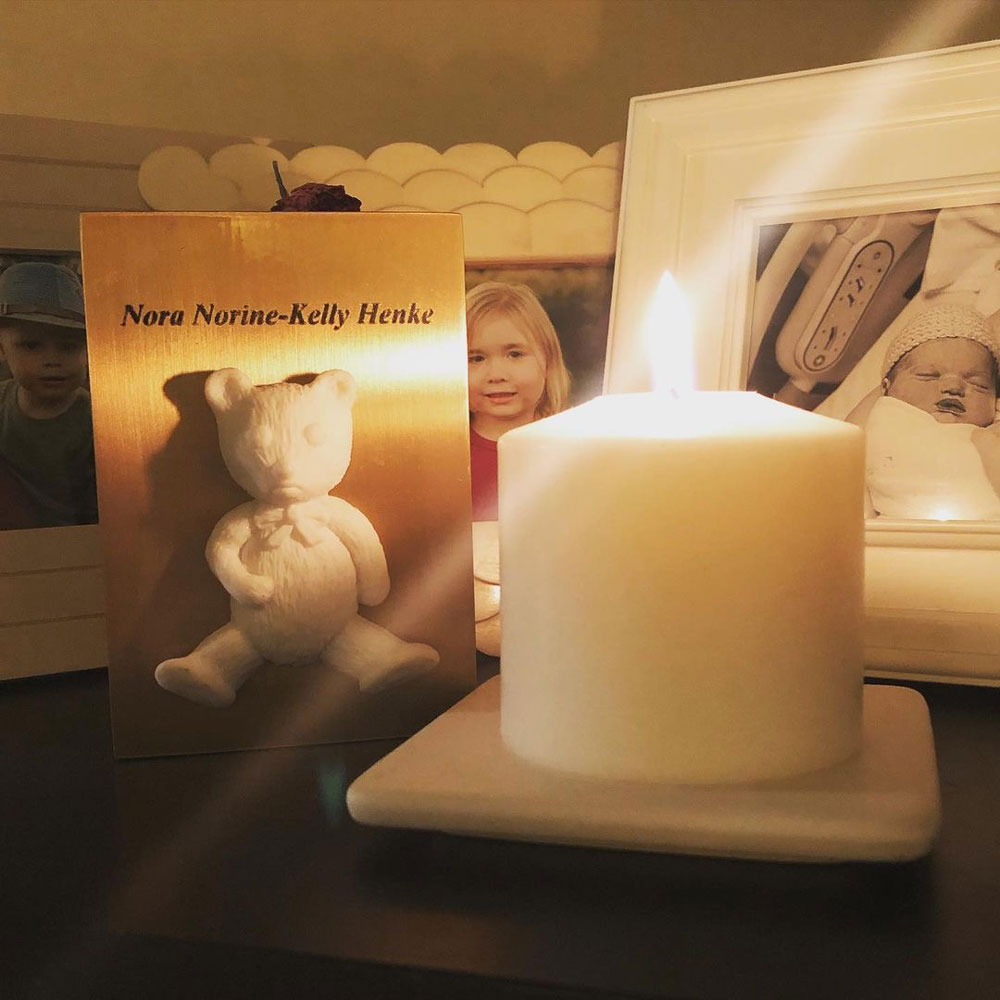
9 Ways to Honor Pregnancy, Infant, & Child Loss Awareness Month While Pregnant or Parenting After Loss, by Lindsey Henke
This blog post was first published on Pregnancy After Loss Support (PALS) Online Magazine, by Lindsey Henke. When I was…

Self-Care Tips for Moms, by Tessa Ritchie, LPCC
Rediscovering Me: Nurturing Yourself in the Postpartum Journey Takeaway: After childbirth, it’s common to feel lost amidst the whirlwind of…
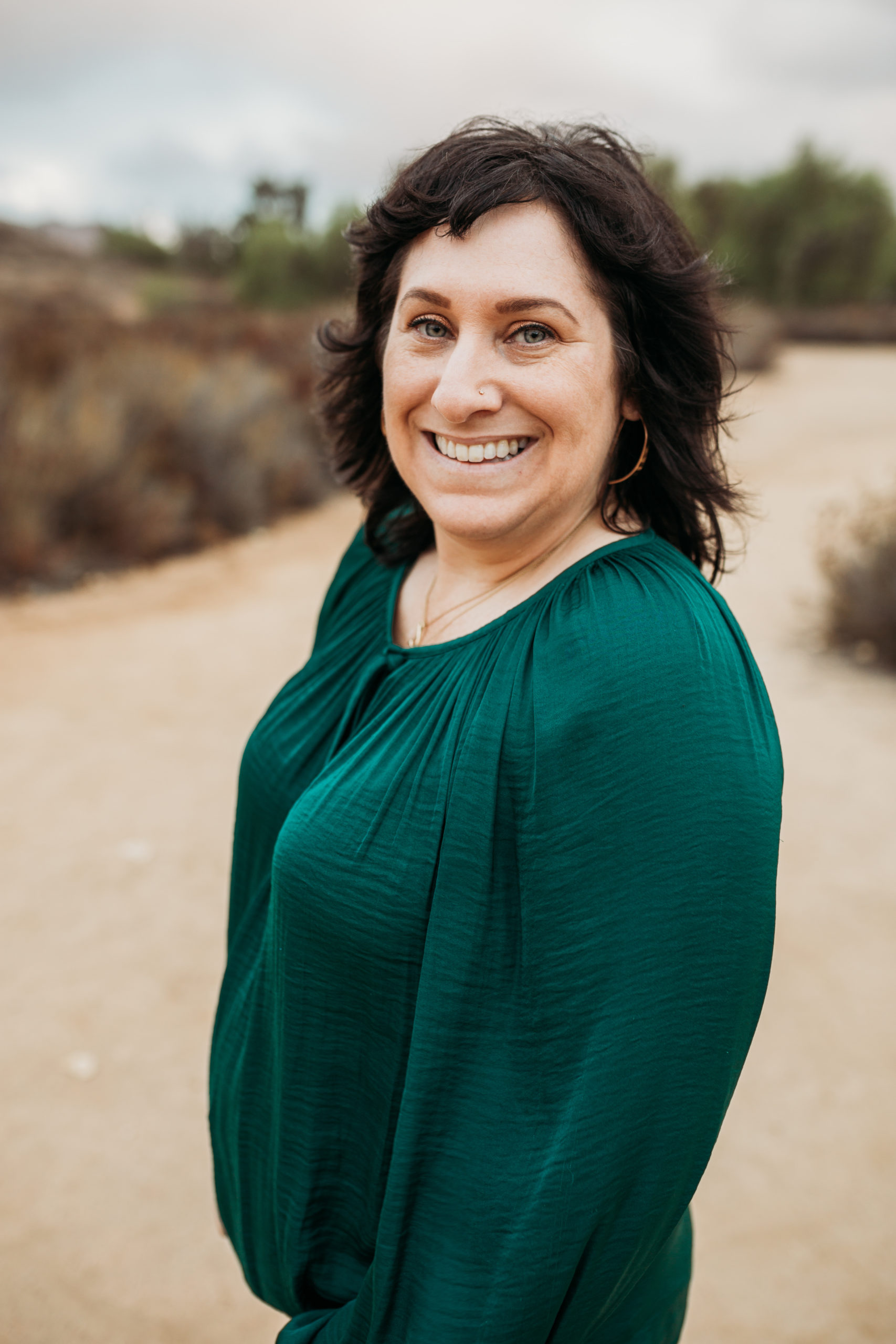
Testimonial from Emily Beltran, LCSW, PMH-C
How did you discover PHA’s Warmline? In 2012 I was pregnant for the first time. I have had anxiety my…
SIGN UP FOR OUR NEWSLETTER
Sign up below to stay informed about perinatal mental health and professional offerings from PHA.